Key Points
- Cedar Rapids CNAs earn a median annual salary of $39,260.
- Iowa projects 8-9% job growth for nursing assistants by 2030.
- Cedar Rapids CNA training costs range from free to around $2,000.

Compare CNA programs in Cedar Rapids, IA: costs, schedules, and certification requirements.

Community college programs versus employer-sponsored training: that's the first real choice facing anyone starting a CNA career in Cedar Rapids. Both paths lead to the same state certification and the same starting wage floor, but the timeline, out-of-pocket cost, and job commitment differ sharply.
Cedar Rapids nursing assistants earn a median of $39,260, and Iowa Workforce Development projects steady 8-9% growth in demand through 2030. Training runs 4 to 12 weeks, requires no prior degree, and can cost as little as $0 through hospital-sponsored tracks or up to roughly $2,000 through independent programs.
Cedar Rapids offers a robust job market for certified nursing assistants, with opportunities spread across hospital systems, skilled nursing facilities, and home care agencies throughout the metro area. For students completing cna classes in iowa, the path from classroom to employment is often measured in weeks rather than months.
The Cedar Rapids healthcare landscape centers on two major hospital systems: UnityPoint Health - St. Luke's and Mercy Medical Center. Both systems operate multiple facilities that regularly hire CNAs for acute care, transitional care, and long-term care settings. St. Luke's Transitional Care Center offers wages from $19.00 to $21.503, and St. Luke's Living Center West ranges from $19.00 to $23.504.
Beyond hospitals, skilled nursing facilities represent a significant portion of CNA employment. Facilities like Terrace Glen Village, Colonial Manor, Heritage Specialty Care, and Harmony Cedar Rapids maintain steady hiring pipelines. ManorCare of Cedar Rapids stands out with wages reaching up to $27.50 per hour for certain shifts6, reflecting competitive pressure for qualified candidates.
CNA wages in the Cedar Rapids metro area currently average $19.64 per hour1, translating to approximately $41,455 annually for full-time work1. Entry-level positions typically start around $16.01 per hour2, while experienced CNAs can earn $22.12 or more2.
Many employers sweeten compensation packages with shift differentials and weekend bonuses:
One advantage of training in Cedar Rapids is the direct relationship between local programs and area employers. Many facilities recruit actively from nearby CNA classes, sometimes offering employment before students complete their certification exam. This streamlined hiring process means motivated graduates often secure positions within days of earning their credentials, making the investment in CNA training pay off quickly.
Did you know? Iowa is projected to see an 8-9% increase in demand for Nursing Assistants between 2020 and 2030, according to Iowa Workforce Development. That translates to steady hiring across Cedar Rapids hospitals, nursing homes, and home health agencies, making CNA certification a reliable entry point into healthcare.
Online CNA training gives Cedar Rapids students the freedom to complete theory coursework on their own schedule while fulfilling mandatory in-person clinical hours at local healthcare facilities. No fully remote CNA program exists in Iowa (state law requires hands-on patient-care training under supervision), but hybrid CNA programs combine self-paced online modules with on-campus labs and clinical rotations, making it easier to train while working or managing family responsibilities.
Hybrid CNA courses divide instruction into two parts: online theory modules covering anatomy, infection control, patient rights, and basic nursing skills, followed by in-person laboratory sessions and supervised clinical hours in long-term care facilities or hospitals. Students typically log into a learning management system to complete readings, watch demonstrations, and take quizzes at their own pace, then attend scheduled on-campus labs and clinical shifts where instructors evaluate hands-on competencies. Most Iowa programs require 50 to 76 total hours of instruction, with 30 to 45 hours devoted to direct patient care under supervision.
Several Iowa community colleges serving Cedar Rapids students offer hybrid CNA training:
Kirkwood Community College, Cedar Rapids' local community college, currently offers only campus-based CNA training without an online component.
Hybrid CNA programs appeal to working adults, parents, and students balancing multiple commitments. Online theory modules allow learners to study during evenings, weekends, or lunch breaks rather than commuting to campus for every lecture. Self-paced coursework accommodates different learning speeds. Students who grasp material quickly can move ahead, while those needing extra time can replay video demonstrations and review content multiple times.
However, this flexibility has limits. Clinical rotations remain non-negotiable: students must physically attend shifts at assigned long-term care facilities, often during daytime hours, to practice bathing, feeding, transferring, and monitoring patients under the watchful eye of a licensed nurse. Clinical sites require background checks, immunizations, and physical exams before students step onto the floor. Students also need access to a computer, stable internet, and basic digital literacy to navigate online platforms. Programs typically do not loan equipment or provide tech support beyond initial orientation.
Proximity to clinical sites matters as much as internet access. Even if the theory coursework happens entirely online, students will drive to a partner facility for hands-on training multiple times per week. Students living in rural areas or without reliable transportation may find campus-based programs in Cedar Rapids more practical than hybrid offerings based two hours away in Council Bluffs or Mason City.
In the Cedar Rapids metro area, nursing assistants earn a median annual wage of $39,260, according to the most recent data from the Bureau of Labor Statistics (2024). The lowest 25% earn around $36,360, while the top 25% can make over $45,390. Wages typically increase with experience and additional credentials such as a medication aide certification, and many employers offer shift differentials that can boost pay above the median. The table below shows how Cedar Rapids compares to other Iowa metro areas.
| Metro Area | Median Annual Wage | 25th Percentile | 75th Percentile | Total Employment |
|---|---|---|---|---|
| Dubuque, IA | $40,460 | $38,350 | $47,110 | 890 |
| Des Moines-West Des Moines, IA | $39,790 | $37,790 | $46,630 | 4,870 |
| Cedar Rapids, IA | $39,260 | $36,360 | $45,390 | 1,670 |
| Ames, IA | $39,110 | $38,230 | $45,310 | 760 |
| Sioux City, IA-NE-SD | $38,320 | $36,280 | $45,550 | 1,020 |
| Waterloo-Cedar Falls, IA | $38,090 | $35,900 | $43,200 | 1,400 |
| Iowa City, IA | $37,900 | $35,460 | $46,020 | 1,200 |
| Davenport-Moline-Rock Island, IA-IL | $37,870 | $35,820 | $43,940 | 2,030 |
Knowing the destination before you start the journey makes the whole process less stressful. Whether you are coming in from a completely unrelated field or stepping up from a volunteer role in healthcare, the path to becoming a certified nursing assistant in Iowa follows a clear sequence of steps. Understanding each one ahead of time puts you in control.
Iowa requires CNA candidates to complete a state-approved training program before sitting for the certification exam. Most programs ask that applicants be at least 16 years old, hold a high school diploma or equivalent, and pass a background check. Some employers and training sites set slightly higher standards, so it is worth confirming requirements directly with the program you are considering. A criminal record does not automatically disqualify you, but certain offenses can affect eligibility, and the Iowa Department of Inspections and Appeals (DIA) is the authority that makes that determination.
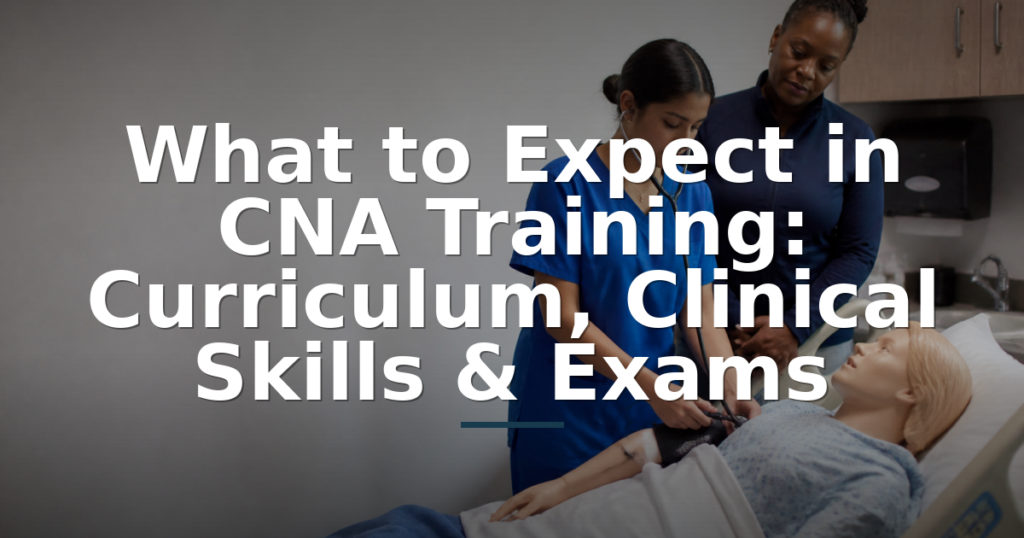
Approved CNA programs in Iowa combine classroom instruction with supervised hands-on clinical hours. The classroom component covers topics like anatomy basics, infection control, resident rights, and safe patient handling. Clinical rotations, typically completed at a long-term care facility or similar setting, give you practice performing the actual skills you will be tested on. If you are looking for CNA programs near me, many can be completed in a matter of weeks if you attend full time. Community colleges, including Kirkwood Community College in Cedar Rapids, are a common starting point, though other approved providers exist in the area as well, including Des Moines CNA training.
Iowa uses the National Nurse Aide Assessment Program (NNAAP) exam, which consists of two parts: a written (or oral) knowledge test and a hands-on skills evaluation. During the skills portion, you will demonstrate a set of randomly selected nursing assistant tasks in front of an evaluator. Both parts must be passed to receive certification. The NNAAP website provides a detailed content outline that is worth reviewing well before your test date. Your training program will guide you on scheduling and local testing locations.
Once certified, your name is added to the Iowa Nurse Aide Registry, which employers use to verify your credentials. Certification must be renewed periodically, and Iowa requires that you work a minimum number of paid hours in a nursing assistant role during each renewal period to stay active on the registry. If your certification lapses, you may need to retrain or retest depending on how long you have been inactive.
For the most current requirements, always go to primary sources:
Checking these sources regularly matters because requirements do occasionally change, and you want to make sure you are preparing for the exam as it currently stands.
Our ranking of the top CNA programs for Cedar Rapids students highlights schools that combine quality, affordability, and flexibility. Whether you're looking for a local campus-based apprenticeship or a hybrid online option, these programs can prepare you for certification and a rewarding healthcare career.
Cedar Rapids, IA · $5,000 – $10,000/yr
Best for: Cedar Rapids apprenticeship seekers
Kirkwood Community College in Cedar Rapids offers a flexible Nurse Aide program with an apprenticeship pathway through local employers. Students gain hands-on clinical experience in long-term care and earn eligibility for the Iowa Direct Care Worker Registry. Employer sponsorship and financial aid options make this an accessible choice for local residents.
Calmar, IA · $7,000 – $8,000/yr
Best for: Budget-minded students seeking hybrid flexibility
Northeast Iowa Community College offers a low-cost, 80-hour Nurse Aide program blend of online coursework and on-campus labs. With a price of about $899 and tuition assistance available, it is an affordable path to certification. The program includes off-site clinicals and credits that may transfer into the college's nursing programs.
Estherville, IA · $7,000 – $8,000/yr
Best for: CNA exam takers in northern Iowa
Iowa Lakes Community College provides a comprehensive CNA certification pathway emphasizing exam preparation. Students complete a two-part state exam with affordable testing fees, and the college offers scheduling at five campus locations across Iowa. This program is a quick entry point for those ready to enter long-term care.
Mason City, IA · ~$10,000/yr (est.)
North Iowa Area Community College provides a 100-hour Nurse Aide program in face-to-face or hybrid formats, with 45 hours of clinical experience. Multiple yearly offerings and tuition assistance make it accessible. The program prepares graduates for the state exam and Iowa Direct Care Worker Registry.
Sioux City, IA · $9,000/yr
Western Iowa Tech Community College offers a 4-credit Nursing Assistant certificate with a focus on patient care fundamentals. In-state tuition is $852, and the program includes anatomy, medical terminology, and infection control training. It prepares students for state certification at multiple campus locations.
Ankeny, IA · $11,000/yr (net price)
Des Moines Area Community College provides a 76-hour Basic Nurse Aide program for $638 total, with free training available for qualified applicants. Campus-based and offered fall, spring, and summer, this program emphasizes direct patient care and prepares students for CNA certification.
West Burlington, IA · $12,000/yr
Southeastern Community College offers a one-course Nurse Aide Certificate with 32 hours of clinical training in long-term care. The 3.38-credit program is state-approved and includes partnerships for nursing degree pathways. Students learn communication, infection control, and certification exam preparation.
Davenport, IA · $14,000/yr (net price)
Eastern Iowa Community College District offers a flexible Certified Nurse Aide program that can be completed in two months. With 50 classroom and 30 clinical hours, students choose academic or training tracks. Hybrid formats and multiple campus locations in Eastern Iowa increase accessibility.
Fort Dodge, IA · $9,000/yr (net price)
Iowa Central Community College provides a 76-hour Nurse Aide program taught by registered nurses, costing $697 for credit. Multiple yearly offerings and campus locations give students flexibility, and the 3 credit hours can apply toward nursing prerequisites.
Council Bluffs, IA · $15,000/yr
Iowa Western Community College offers a 76-hour CNA program at $595-$695, available monthly in campus or hybrid formats across multiple western Iowa locations. Taught by registered nurses, the program awards 3 college credits and serves as a nursing prerequisite.
The best CNA programs combine affordability, strong clinical partnerships, and high exam pass rates.
How much will CNA training actually cost you in Cedar Rapids? Prices vary, but you can expect to spend anywhere from $0 (if you train through an employer) to around $2,000 when you add up all the required pieces.
Kirkwood Community College, one of the area's main training providers, charges $785 to $790 for tuition in 20261. The program rolls all classroom materials into that price, so you won't face a separate textbook bill. When you factor in the Iowa certification exam fee of $1902, the base investment at Kirkwood sits at roughly $980. Other programs, particularly those offered by private training centers, may cost $1,200 to $2,000 but often bundle everything (tuition, materials, exam prep, and even the certification exam) into one upfront fee.
Many programs don't package every cost into tuition, so it's wise to budget for these common add-ons:
Some facilities allow you to use your own scrubs or get a physical through your regular doctor for a copay, which can trim these costs.
Several nursing homes and long-term care facilities in the Cedar Rapids area offer free CNA training if you commit to work for them after certification.4 These paid-training agreements are a common pathway into the field: the employer covers all tuition, exam fees, and even scrubs, and you earn a paycheck during on-the-job learning. If upfront cost is a barrier, asking local facilities about in-house training programs is a smart first step.
Budgeting for all components, the program fee, testing, and incidentals, gives you a true picture of what certification will cost. With options ranging from fully funded to around $2,000, Cedar Rapids offers multiple price points to launch your healthcare career.
The good news: you don't have to pay for CNA training out of pocket. Iowa offers a range of state grants, federal aid, workforce development funding, and employer-sponsored programs that can cover most or all of your tuition. Here's how to access them, and for broader strategies, see our guide to paying for nursing school.
Iowa funds several grant programs specifically designed for vocational and technical training:
All Iowa state grants require you to be an Iowa resident and a U.S. citizen, national, permanent resident, or other eligible noncitizen.4 To apply, submit the Free Application for Federal Student Aid (FAFSA) to determine your SAI, and then apply through the Iowa College Aid website.
The Workforce Innovation and Opportunity Act (WIOA) provides funding for job training through Iowa's network of IowaWORKS centers.5 WIOA can cover tuition, books, and certification exam fees for eligible students. You may qualify if you are:
In Cedar Rapids, WIOA funding is administered by the East Central Iowa Council of Governments through the local IowaWORKS office. To apply, visit your nearest center for an eligibility assessment and to develop an Individual Employment Plan. The process typically takes two to four weeks.
Many Cedar Rapids healthcare employers will pay for your CNA training in exchange for a commitment to work for them after certification:
Contact the human resources department at local hospitals and long-term care facilities to ask about current training incentives. Many will hire you as a nursing assistant trainee while you complete coursework.
Iowa high school students can earn CNA certification through Career and Technical Education (CTE) pathways at no cost. Kirkwood Community College partners with area high schools to offer dual-enrollment CNA courses that count toward both high school graduation and postsecondary credit. Ask your school counselor about CTE health science programs.
Pursuing a CNA career in Cedar Rapids comes with practical questions about training, costs, and certification. Below you'll find clear, no-nonsense answers to the most common concerns from aspiring nursing assistants in the area.
Iowa requires 75 hours of training: roughly 45 hours of classroom and lab instruction, plus 30 hours of clinical practice. Most programs in the Cedar Rapids area run between 4 and 12 weeks, depending on whether you attend full-time or part-time.
Costs range widely, from free employer-sponsored programs to about $2,000 for private training. Community colleges and vocational schools often charge between $800 and $1,500, covering tuition, textbooks, scrubs, and exam fees. Always ask what's included before enrolling.
Yes. Several nursing homes and long-term care facilities in and around Cedar Rapids offer free training if you agree to work for them after certification. These programs typically cover all costs, including the state exam, and can help you land your first CNA job. Request details about the commitment length and shift expectations.
Most training programs require a high school diploma or GED. However, a few providers may accept current high school students or adults without a diploma if they pass a basic skills test. Always confirm the specific educational prerequisites with your chosen program.
The Iowa nurse aide exam has two parts: a written (or oral) multiple-choice section and a skills demonstration. You'll perform several randomly assigned nursing tasks on a mannequin or actor while an evaluator watches. Training programs often include practice sessions, and you can find additional CNA online resources to help you feel confident.
You must work at least 8 hours as a paid CNA every 24 months. If you meet that requirement, your certification automatically renews. If not, you'll need to complete a state-approved refresher course and retake the competency exam. Continuing education is included in regular in-service training at most employers.
Definitely. Many Cedar Rapids programs offer evening, weekend, or part-time schedules specifically for working students. If you're employed by a facility that sponsors your training, they often build clinical hours into your paid work schedule, easing the time commitment.
The demand is strong and growing. As Iowa's senior population rises, healthcare employers throughout Linn County are actively hiring nursing assistants. Hospitals, nursing homes, and home health agencies frequently post openings, and many offer competitive benefits to attract and keep CNAs.